Disclosure: Kitchenonomy.com is a participant in the Amazon Services LLC Associates Program, an affiliate advertising program designed to provide a means for sites to earn advertising fees by advertising and linking to Amazon.com. This post contains affiliate links, which means we may earn a small commission if you purchase through our links — at no extra cost to you. We only recommend products we genuinely believe in.
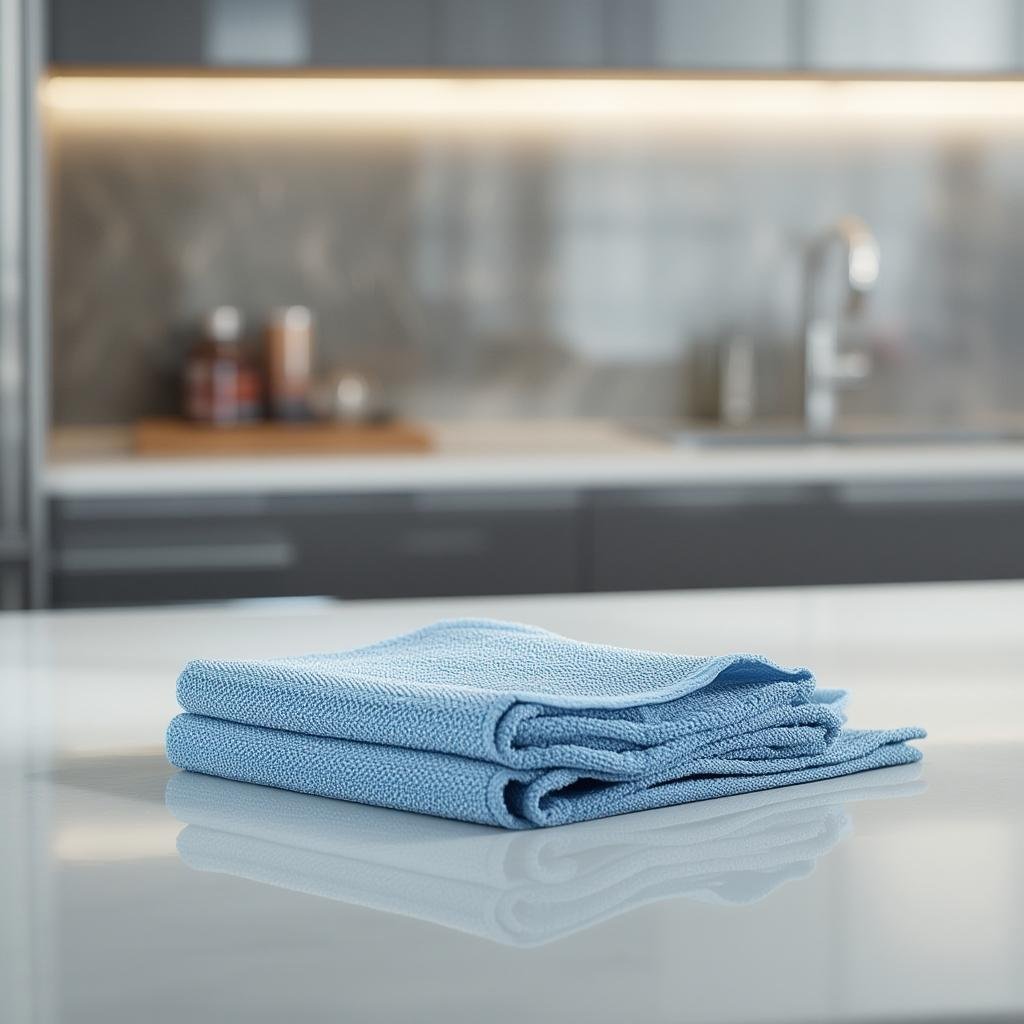
There’s a moment every home cook knows well: you’ve just rinsed a cutting board, wiped down the counter, and reached for a dish towel — only to find it’s already damp, streaky, and somehow smells like last Tuesday. If that sounds familiar, you’re not alone. The humble kitchen towel is one of those things we don’t think about until it completely fails us. And for most households, the answer isn’t more towels — it’s better towels. Specifically, a high-quality microfiber towel designed for the demands of a real, working kitchen.
Microfiber kitchen towels have quietly become one of the most practical upgrades you can make in your cooking space. They dry faster, absorb more, leave fewer streaks on glass and stainless steel, and hold up wash after wash far better than traditional cotton. But not all microfiber is created equal — and with so many options flooding the market, it can be genuinely hard to know what’s worth your money and what’s just clever packaging.
In this guide, we’re breaking down everything you need to know about choosing the best microfiber towel for your kitchen. We’ll walk you through what to look for, what to avoid, and how to match the right towel to your actual cooking habits. Let’s get into it.
Why Your Kitchen Towels Are Probably Letting You Down
Most people are still using cotton terry cloth towels in the kitchen. And look — cotton isn’t bad. But it has some real limitations that become obvious once you’ve tried a quality microfiber alternative. Cotton towels tend to hold moisture for a long time, which creates the perfect breeding ground for bacteria and odors. They also leave lint behind on glassware, smear grease rather than absorb it, and lose their softness after repeated high-heat washing.
Microfiber, on the other hand, is engineered at a structural level to do the opposite. The fibers are split during manufacturing to create millions of tiny wedge-shaped filaments that physically trap dirt, grease, and moisture rather than just pushing it around. A good microfiber towel can absorb several times its own weight in liquid, dry in a fraction of the time, and leave surfaces genuinely streak-free.
The problem is that “microfiber” has become a catch-all term. Cheap microfiber towels often have a low GSM (grams per square meter), meaning they’re thin, scratchy, and fall apart quickly. The best ones use a high GSM blend with a proper polyester-to-polyamide ratio — typically around 80/20 — which gives you that soft, plush feel alongside serious absorbency. Knowing what to look for makes all the difference.
What to Look for in a Microfiber Towel for the Kitchen
Before we get into specific product recommendations, here’s a quick primer on the features that actually matter when shopping for a kitchen microfiber towel.
- GSM (Grams per Square Meter): This is the weight and density of the fabric. For kitchen use, you generally want something in the 300–400 GSM range for everyday wiping, or 400+ GSM for more heavy-duty drying tasks. Higher GSM means more plush and absorbent — but also slower to dry completely.
- Fiber Blend: Look for an 80% polyester / 20% polyamide split. The polyester does the scrubbing and lifting; the polyamide holds the moisture. This ratio is widely considered the sweet spot for cleaning performance.
- Size: Kitchen towels come in a range of sizes. Larger towels (16×24 inches or bigger) are great for drying dishes and wiping down counters. Smaller ones work well for quick spills and glass cleaning.
- Edge Finishing: Sewn or hemmed edges prevent fraying and extend the life of the towel significantly. Cheap towels often skip this step.
- Washability: A good microfiber kitchen towel should survive hundreds of machine washes without pilling, shrinking, or losing its absorbency. Avoid fabric softener — it clogs the fibers and kills performance.
- Color Options: This sounds minor, but having color-coded towels for different tasks (one for dishes, one for counters, one for spills) is a genuinely useful kitchen hygiene practice.
The Best Microfiber Towels for Your Kitchen — Our Top Picks
Since no specific products were provided for this roundup, we’ve built this guide around the key categories and buyer profiles that matter most when shopping for a kitchen microfiber towel. Use the buying guide and comparison table below to find the right fit for your kitchen setup and habits.
How These Towels Stack Up: Quick Comparison
| Product Type | Value Tier | Best For | Key Strength | Main Drawback | Rating |
|---|---|---|---|---|---|
| High-GSM Plush Microfiber Set | Mid-Range | Dish drying, countertop wiping | Maximum absorbency and softness | Slower to fully air dry | 4.7 / 5 |
| Waffle-Weave Microfiber Towel | Budget-Friendly | Quick spills, everyday wiping | Dries very fast, lightweight | Less absorbent than plush styles | 4.4 / 5 |
| Glass & Streak-Free Microfiber Cloth | Budget-Friendly | Glassware, stainless steel, appliances | Zero-lint, streak-free finish | Not ideal for heavy liquid absorption | 4.5 / 5 |
| Heavy-Duty Microfiber Bar Towel | Mid-Range | High-volume cooking, professional use | Extremely durable, high wash count | Bulkier to store | 4.6 / 5 |
| Multi-Pack Microfiber Cleaning Set | Great Value | Families, color-coding tasks | Versatile, cost-effective per towel | Inconsistent quality across packs | 4.3 / 5 |
Your Complete Buying Guide: Choosing the Right Microfiber Towel for Your Kitchen
Choosing the right microfiber towel isn’t complicated once you know what questions to ask. Here’s how to think through the decision based on your actual kitchen situation.
Budget vs. Value: What Should You Spend?
The good news is that microfiber towels are one of the most affordable kitchen upgrades you can make. Even mid-range and premium options tend to be very reasonably priced — especially when you factor in how long a quality set lasts. Budget-friendly options are perfectly fine for everyday spills and quick wipe-downs. If you’re doing a lot of dish drying, glass polishing, or cooking for a large family, stepping up to a mid-range or premium set will pay off in durability and performance. Always check Amazon for current pricing, since deals and bundles change frequently.
Kitchen Size and Cooking Frequency
If you cook daily and have a larger kitchen, you’ll want a bigger set — ideally six or more towels so you’re not running the laundry constantly. Smaller households or occasional cooks can get away with a four-pack. Think about your workflow: do you need one dedicated towel for drying hands, another for dishes, and a third for wiping surfaces? Color-coded multi-packs make this kind of organization effortless and more hygienic.
Beginner Cooks vs. Experienced Home Chefs
If you’re just getting started in the kitchen, a versatile multi-pack of mid-weight microfiber towels is the smartest starting point. They handle most tasks well without requiring you to think too hard about which towel to grab. Experienced home cooks who spend serious time at the stove will appreciate specialized options — a high-GSM plush towel for drying cast iron and dishes, a waffle-weave for quick countertop cleanup, and a fine-weave glass cloth for polishing wine glasses and appliance surfaces.
Durability and Care
One of the biggest mistakes people make with microfiber is washing it with fabric softener. It feels counterintuitive, but softener coats the fibers and dramatically reduces absorbency. Wash your microfiber kitchen towels in warm water with a small amount of regular detergent, and either air dry or tumble dry on low. Avoid high heat — it can melt the synthetic fibers over time. A well-cared-for microfiber towel should last hundreds of washes without losing its effectiveness.
Specific Use Cases to Consider
Not all kitchen tasks are the same, and the best microfiber towel for one job might be the wrong choice for another. Here’s a quick breakdown by use case:
- Drying dishes and cookware: Go for a high-GSM plush towel — the extra thickness absorbs water fast and won’t scratch non-stick surfaces.
- Wiping down counters and stovetops: A medium-weight all-purpose microfiber cloth works great here. Look for something with a slightly textured surface to help lift stuck-on residue.
- Polishing glassware and stainless steel: Use a fine-weave, lint-free microfiber cloth specifically designed for glass. These leave zero streaks and are gentle enough for delicate surfaces.
- Cleaning up spills quickly: A waffle-weave microfiber towel is your best friend here — it wicks up liquid fast and wrings out easily.
- Drying hands: Any soft microfiber towel works, but keep a dedicated one for this purpose to maintain kitchen hygiene.
Frequently Asked Questions About Microfiber Towels for the Kitchen
What makes a microfiber towel better than a regular cotton kitchen towel?
A microfiber towel is made from ultra-fine synthetic fibers — typically a blend of polyester and polyamide — that are split during manufacturing to create millions of tiny hooks. These hooks physically trap and lift dirt, grease, and moisture rather than just spreading it around. The result is faster drying, better absorbency, fewer streaks on glass and stainless steel, and significantly less bacterial buildup compared to cotton. Cotton towels tend to stay damp longer, which encourages odor and bacteria growth. For most kitchen tasks, a quality microfiber towel simply outperforms cotton across the board.
How do I wash microfiber kitchen towels without ruining them?
The most important rule: never use fabric softener. It coats the fibers and destroys absorbency. Wash microfiber towels in warm (not hot) water with a small amount of regular liquid detergent. You can machine wash them, but avoid washing them with cotton items — cotton lint can clog the microfiber. Tumble dry on low heat or air dry. Skip the dryer sheets. With proper care, a good microfiber kitchen towel can handle hundreds of wash cycles without losing performance.
What GSM should I look for in a kitchen microfiber towel?
GSM stands for grams per square meter and indicates the density and weight of the fabric. For general kitchen use, 300–400 GSM is a solid range — absorbent enough for most tasks and quick enough to dry between uses. If you want something more plush for drying dishes or delicate cookware, look for 400–500 GSM. For quick-dry, lightweight wiping tasks, 200–300 GSM waffle-weave options are excellent. Higher GSM means more absorbency but also a longer drying time, so consider your kitchen workflow when choosing.
Can I use a microfiber towel on non-stick pans and delicate surfaces?
Yes — in fact, microfiber is one of the safest materials for non-stick cookware. Unlike rough cotton terry cloth or abrasive sponges, a soft microfiber towel won’t scratch non-stick coatings. It’s also safe for stainless steel, glass, ceramic, and most other kitchen surfaces. Just make sure the towel is clean before use — any grit or debris trapped in the fibers from a previous use could potentially scratch a delicate surface.
How many microfiber kitchen towels do I actually need?
For a household that cooks regularly, six to eight microfiber towels is a practical number. This gives you enough to rotate through the week without doing laundry every day. If you color-code by task — for example, blue for dishes, green for counters, white for glass — you’ll want at least two of each color. Larger families or people who cook multiple meals daily may want to keep ten or more on hand. The good news is that microfiber towels are typically sold in multi-packs, making it easy and cost-effective to stock up.
Do microfiber towels work well for drying glassware and wine glasses?
Absolutely — this is actually one of the areas where microfiber shines brightest. A fine-weave, lint-free microfiber cloth leaves glassware completely streak-free and spotless, which cotton towels almost never manage. The key is to use a cloth specifically designed for glass or polishing (rather than a heavy plush towel), and to make sure it’s clean and free of any residue before you start. Many serious home entertainers keep a dedicated set of microfiber glass cloths just for this purpose.
The Bottom Line: Upgrade Your Kitchen Towel Game
If there’s one kitchen upgrade that delivers an outsized return on a modest investment, it’s switching to quality microfiber towels. The difference between a soggy, smelly cotton rag and a fresh, ultra-absorbent microfiber towel is something you feel immediately — and once you’ve made the switch, it’s hard to go back.
The best microfiber towel for your kitchen depends on how you cook, how often you clean, and what surfaces you’re working with. For most home cooks, a mid-range multi-pack with a mix of plush and lightweight options covers all the bases beautifully. If you’re more specialized — polishing glassware, drying cast iron, or managing a high-volume kitchen — it’s worth investing in task-specific options that are built for the job.
Whatever you choose, remember the golden rules: skip the fabric softener, wash in warm water, and replace your towels when they start to lose absorbency or develop persistent odors. Treat them right and they’ll serve you well for years.
Ready to find the right microfiber towel for your kitchen? Browse the options we’ve highlighted above, check current pricing and availability on Amazon, and pick the set that fits your cooking life. Your countertops — and your glassware — will thank you.