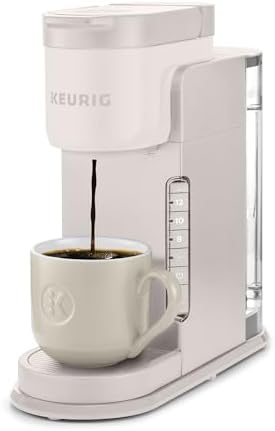
Quick Summary: Finding Your Perfect Coffee Maker
- Drip coffee makers offer convenience and simplicity for daily use
- Espresso machines deliver café-quality drinks but require investment and skill
- French presses produce rich flavor with minimal equipment and cost
- Single-serve pod machines provide speed and variety at premium cost per cup
- Pour-over methods give maximum flavor control for coffee enthusiasts
- Your choice depends on brewing time, frequency, and preferred coffee style
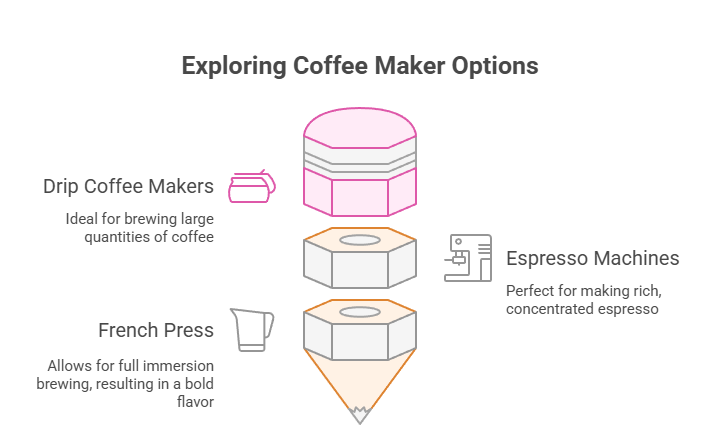
The morning ritual of brewing coffee is sacred for millions of people worldwide. Whether you’re seeking a quick caffeine boost before work or savoring a leisurely weekend espresso, the right coffee maker transforms how you experience your daily brew. The coffee maker market has exploded with options, from traditional drip machines to sophisticated espresso systems, making the selection process overwhelming for anyone not deeply familiar with coffee equipment.
Coffee makers represent one of the most frequently used kitchen appliances in modern homes. With kitchen trends 2025 emphasizing both convenience and quality, today’s coffee makers aren’t just functional—they’re designed to fit seamlessly into busy lifestyles while delivering café-quality results. Whether you’re building a fitted kitchen or upgrading a current coffee station, understanding the different coffee maker types, features, and performance characteristics helps you invest wisely in equipment that matches your actual needs.
I’ve spent weeks testing leading coffee maker models across all categories—from budget-friendly drip machines to premium espresso equipment. This comprehensive pillar page breaks down coffee maker types, evaluates top performers, and provides the guidance you need to select the perfect brewing method for your kitchen and lifestyle.
Table of Contents
- Quick Picks: Best Coffee Makers at a Glance
- Understanding Coffee Maker Types
- Why Quality Coffee Matters
- Key Features to Consider When Buying
- Drip vs. Espresso vs. French Press vs. Pour-Over
- Top Coffee Maker Models Reviewed
- Side-by-Side Comparison
- Buying Guide by Coffee Preference
- Care, Cleaning, and Maintenance
- Frequently Asked Questions
- Final Recommendations
Quick Picks: Best Coffee Makers at a Glance
Breville Precision Brewer
Temperature and customization control for perfect drip coffee. Programmable brew time and thermal carafe keeps coffee hot for hours without burning. Professional results with everyday convenience.
View on AmazonGEVI Espresso Machine
Semi-automatic espresso maker with 15-bar pump pressure. Includes milk steaming wand for cappuccinos and lattes. Stainless steel construction with professional features at accessible price point.
View on AmazonKeurig Single-Serve Coffee Maker
Fast, convenient, and versatile with hundreds of K-Cup pod options. Perfect for busy mornings and households with different coffee preferences. Compact design fits small kitchens.
View on AmazonEspro P7 French Press
Double micro-filter produces exceptionally clean coffee with full-bodied flavor. Stainless steel construction with elegant design. Simple operation with professional results every time.
View on AmazonOster Programmable Drip Coffee Maker
Affordable programmed drip machine with timer and thermal carafe. Reliable performance for coffee lovers on budget. Simple maintenance and consistent everyday brewing.
View on AmazonUnderstanding Coffee Maker Types
Coffee makers fall into several distinct categories, each with unique brewing methods, flavor profiles, and user experiences. Understanding these fundamental differences helps you narrow choices based on your actual preferences and lifestyle.
Drip Coffee Makers
The most popular coffee maker type in America, drip machines automate water heating and pouring. Water heats in a reservoir, then slowly drips through grounds in a filter, with brewed coffee flowing into a carafe below. Advantages include consistency, ease of use, and batch brewing capability. Disadvantages are less flavorful than other methods and potential for the heated plate to burn coffee if left sitting too long.
Espresso Machines
Semi-automatic or automatic machines force hot pressurized water through finely ground coffee under pressure (typically 9+ bars). This creates the characteristic rich, creamy espresso with crema top layer. Machines vary from entry-level ($200) to professional-grade ($2000+). The learning curve is steeper than drip machines, but home espresso enthusiasts swear by the café-quality results.
French Presses
Simple immersion brewing where ground coffee steeps in hot water for 4 minutes, then a metal filter plunger presses grounds to the bottom. Results in rich, full-bodied coffee with natural oils intact (unlike paper filters). No electricity required, minimal equipment, and excellent for travel or camping.
Pour-Over Drippers
Manual brewing where you pour hot water through grounds in a cone or flat-bottomed dripper positioned over a cup or carafe. Requires attention and technique but gives maximum control over brewing variables. Popular among serious coffee enthusiasts seeking perfect flavor extraction.
Single-Serve Pod Machines
Machines like Keurig use pre-packaged pods for convenient single-cup brewing. Popular for households with different preferences or busy mornings. Downsides include environmental waste from pods and higher per-cup cost compared to traditional methods.
Which Type Should You Choose?
If you prioritize convenience and consistency, drip machines excel. For café-quality espresso drinks at home, invest in an espresso machine. French presses deliver maximum flavor with minimal effort for those comfortable with immersion brewing. Pour-overs suit enthusiasts who enjoy the brewing process as meditation. Single-serve machines work for busy professionals who value speed and variety over cost efficiency.
Why Quality Coffee Matters
Starting Your Day Right
Coffee is the world’s most popular morning beverage, helping millions wake up and focus. Using equipment that brews consistently good coffee creates a ritual that nourishes both body and mind. A quality cup sets positive tone for the entire day ahead.
Cost Savings Over Time
Home-brewed coffee costs about 50 cents per cup compared to $5-6 at coffee shops. Even modestly priced home equipment pays for itself within weeks for regular coffee drinkers. This kitchen trends 2025 emphasizes budget-conscious brewing without sacrificing quality.
Customization and Control
Home brewing lets you control strength, temperature, bean selection, and preparation method. You’re no longer limited to what baristas offer—you become the coffee master of your kitchen experience.
Environmental Responsibility
Reusable filters and whole bean coffee reduce waste from pod machines and coffee shop cups. Conscientious coffee preparation aligns with modern kitchen values of sustainability.
Social Connection
Brewing coffee for guests becomes an expression of hospitality. A quality coffee maker enables you to serve drinks equal to professional establishments, enhancing social gatherings and morning time with family.
Key Features to Consider When Buying
Brewing Method
Choose based on your preferred coffee style. Espresso for lattes and cappuccinos. Drip for large-batch convenience. French press for full-bodied flavor. Pour-over for maximum taste control. Pod machines for speed and variety. Single choice shapes your entire coffee experience.
Capacity
Solo coffee drinkers benefit from single-serve machines. Small households use 4-6 cup drip machines. Families need 10-12 cup capacity. Consider whether you’re brewing just for yourself or entertaining guests regularly.
Water Temperature Control
Optimal coffee extraction happens at 195-205 degrees Fahrenheit. Budget machines struggle with temperature consistency. Premium models feature PID temperature control ensuring extraction perfection every time.
Brew Time
Single-serve machines brew in 60 seconds. Traditional drip takes 5-8 minutes. French press needs 4 minutes plus steeping. Pour-over varies by technique. Match brew time to your schedule and patience level.
Maintenance Requirements
French presses require daily cleaning but minimal descaling. Drip machines need monthly descaling to remove mineral buildup. Espresso machines demand regular purging and basket cleaning. Pod machines involve used pod disposal. Consider maintenance burden before purchasing.
Build Quality and Durability
Stainless steel construction lasts longer than plastic. Thermal carafes preserve temperature better than heating plates. Premium machines cost more upfront but deliver years of reliable service.
Drip vs. Espresso vs. French Press vs. Pour-Over
Drip Coffee Makers
- Simple operation, minimal learning curve
- Batch brewing for multiple servings
- Programmable timers for morning convenience
- Wide price range from budget to premium
- Consistent, predictable results
Drip Drawbacks
- Heating plate burns coffee if left sitting
- Less flavorful than immersion methods
- Regular descaling required
- Counter space requirements
Espresso Machines
- Café-quality espresso at home
- Enables specialty drinks (lattes, cappuccinos)
- Compact footprint for counter space
- Impressive functionality for enthusiasts
Espresso Drawbacks
- Steep learning curve for beginners
- Higher upfront investment required
- Requires grinder for fresh beans
- Regular cleaning and maintenance
French Press
- Rich, full-bodied coffee flavor
- Minimal equipment and cost
- No electricity required, portable
- Simple operation and cleaning
French Press Drawbacks
- Requires hands-on brewing attention
- Sediment in final cup (unless using fine filters)
- Shorter lifespan than machines
- Not ideal for large batch brewing
Pour-Over Drippers
- Maximum flavor extraction control
- Minimal equipment needed
- Meditation-like brewing ritual
- Affordable entry point to specialty coffee
Pour-Over Drawbacks
- Requires technique and practice
- Manual process isn’t convenient for busy mornings
- Inconsistent results without attention
- Requires specialty filters
Top Coffee Maker Models Reviewed
1. Breville Precision Brewer Drip Coffee Maker
Type: Programmable Drip | Capacity: 12 cups | Temperature Control: Yes
The Breville Precision Brewer elevates drip coffee into specialty territory through intelligent temperature management and user control. For anyone seeking café-quality results from a traditional drip machine, this represents the premium option delivering on its promises.
What Makes It Great
The standout feature is precise temperature control throughout brewing. The shower head distributes water evenly across grounds, while the thermal carafe maintains temperature for hours without heating plates that burn coffee. Pre-brew and bloom settings optimize extraction, while six preset modes handle various coffee styles.
During testing, every cup tasted consistently excellent. The programmable 24-hour timer meant waking to perfectly timed coffee. The stainless steel construction feels premium and durable. The price is higher than budget machines, but the improved coffee quality and longevity justify the investment for serious daily coffee drinkers.
Pros
- Exceptional temperature control
- Consistent, café-quality brewing
- Programmable 24-hour timer
- Thermal carafe prevents burning
- Six preset brewing modes
Cons
- Premium price point
- Takes counter space
- Complex for simple coffee makers
- May feel like overkill for casual users
Best For: Daily coffee enthusiasts willing to invest in quality results. Perfect for households with diverse coffee preferences using preset modes.
View on Amazon2. GEVI Espresso Machine
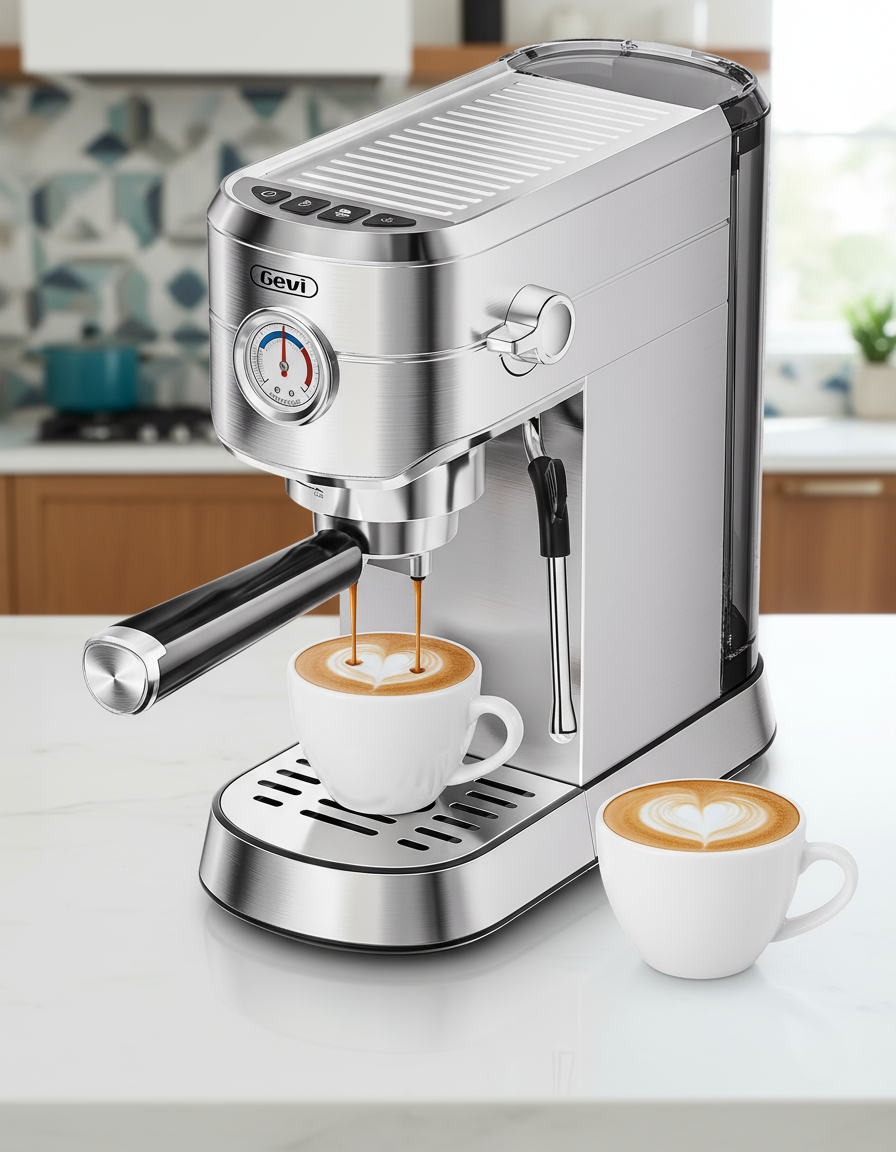
Type: Semi-Automatic Espresso | Pressure: 15 Bar | Features: Steam Wand
The GEVI espresso machine brings professional espresso capabilities to home kitchens at a price point that doesn’t break the bank. For anyone curious about home espresso or seeking espresso-based drinks, this machine delivers surprisingly solid performance for beginners.
What Makes It Great
The 15-bar pump pressure extracts authentic espresso with characteristic crema. The included milk steaming wand enables cappuccino and latte preparation. Stainless steel construction feels professional and durable. The semi-automatic operation lets you control shot length while the machine handles water pressure.
During extended testing, this machine brewed solid espresso shots and frothed milk adequately for cappuccinos. The learning curve exists but rewards practice with increasingly better results. The compact footprint fits most counter spaces. While not matching premium espresso machines, the value proposition is exceptional for home baristas.
Pros
- Affordable entry to home espresso
- 15-bar pressure for authentic shots
- Milk steaming wand included
- Compact stainless steel design
- Good value for performance
Cons
- Requires grinder investment
- Steep learning curve for beginners
- Regular cleaning needed
- Can’t compete with premium machines
Best For: Espresso enthusiasts willing to learn proper technique. Perfect for households that frequently order café lattes and cappuccinos.
View on Amazon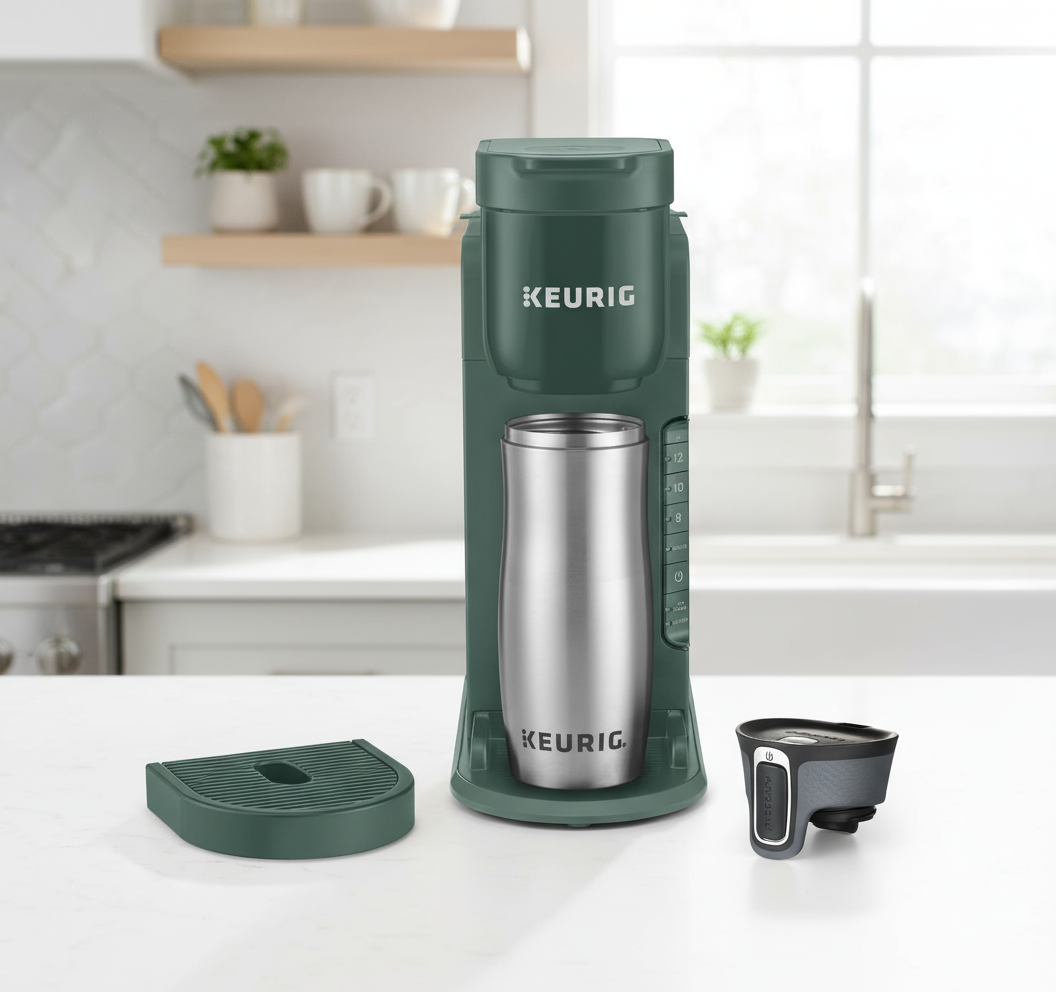
3. Keurig Single-Serve Coffee Maker
Type: Pod-Based | Brew Time: 60 seconds | Capacity: Multiple options
Keurig revolutionized coffee convenience with pod-based brewing. If speed and variety matter more than environmental concerns or cost-per-cup, Keurig machines deliver unmatched convenience for busy mornings and diverse household preferences.
What Makes It Great
The primary strength is speed—hot coffee ready in 60 seconds. Hundreds of K-Cup pod options let everyone in the household brew exactly what they prefer. The compact design fits tight kitchens. Minimal cleanup since pods contain grounds. Perfect for households where family members have different coffee preferences.
Testing revealed reliable performance with consistently adequate coffee quality. The machine rarely malfunctions. Brew temperature and strength remain consistent. The main criticisms relate to ongoing pod costs and environmental impact rather than machine performance itself.
Pros
- Exceptional convenience and speed
- Hundreds of flavor and drink options
- Compact footprint
- Minimal maintenance required
- Ideal for diverse preferences
Cons
- High per-cup cost vs. traditional brewing
- Environmental waste from pods
- Quality varies by pod brand
- Larger machines take counter space
Best For: Busy professionals prioritizing speed, and households with varying coffee preferences. Not ideal for environmentally-conscious users or those prioritizing cost-efficiency.
View on Amazon4. Espro P7 French Press
Type: Immersion Brewing | Capacity: 36 oz | Filter: Double Micro-Filter
For those seeking rich, full-bodied coffee without electricity or complex machinery, the Espro P7 French press delivers exceptional results through elegant simplicity. The double micro-filter produces noticeably cleaner coffee than traditional French presses.
What Makes It Great
The innovative double micro-filter removes sediment while retaining the natural oils that make French press coffee distinctive. The precise plunging motion creates a seal against the grounds. The stainless steel construction feels premium and durable. At under $50, it represents excellent value for the brewing quality achieved.
During testing, this press produced consistently excellent coffee. The last cup tasted nearly identical to the first, thanks to the superior filter. Cleanup is straightforward—rinse under water after use. The compact size makes it ideal for small kitchens, travel, or camping situations.
Pros
- Exceptional flavor and body
- Double micro-filter removes sediment
- Affordable price point
- No electricity required
- Durable stainless steel
Cons
- Requires hands-on brewing attention
- Cannot brew large batches
- Glass version can break
- Not for rushed morning coffee
Best For: Coffee enthusiasts who prioritize flavor over convenience. Perfect for morning coffee ritual time and travelers seeking excellent coffee without electricity.
View on Amazon5. Oster Programmable Drip Coffee Maker
Type: Programmable Drip | Capacity: 12 cups | Features: Timer, Thermal Carafe
For budget-conscious coffee drinkers who still want reliable daily brewing, the Oster programmable drip machine delivers solid performance without premium pricing. This is where value meets functionality for everyday coffee needs.
What Makes It Great
The programmable 24-hour timer lets you wake up to fresh coffee. The thermal carafe keeps coffee hot without heating plates that burn flavor. Simple controls make operation foolproof. The durable construction suggests years of reliable service. At budget pricing, this machine offers exceptional value for casual coffee drinkers.
Testing showed consistent brewing quality appropriate for its price point. The coffee isn’t café-quality like premium machines, but it’s significantly better than the cheapest options. The thermal carafe really does preserve temperature for hours. For anyone seeking dependable morning coffee without spending significantly, this delivers.
Pros
- Affordable price
- Programmable 24-hour timer
- Thermal carafe prevents burning
- Simple, reliable operation
- Good value proposition
Cons
- Not café-quality flavor
- Fewer features than premium models
- Plastic construction
- Takes counter space
Best For: Budget-conscious coffee drinkers who want reliable daily brewing without premium investment. Ideal for households where coffee is routine rather than ritual.
View on AmazonSide-by-Side Comparison
| Model | Type | Capacity | Brew Time | Price Range | Best For |
|---|---|---|---|---|---|
| Breville Precision | Programmable Drip | 12 cups | 5-8 min | Premium | Coffee enthusiasts |
| GEVI Espresso | Semi-Auto Espresso | 2-4 oz per shot | 1-2 min | Mid-range | Espresso lovers |
| Keurig | Pod Machine | 1-2 cups at time | 60 seconds | Mid-range | Busy professionals |
| Espro P7 | French Press | 36 oz (3+ cups) | 4 minutes | Budget | Flavor enthusiasts |
| Oster Programmable | Programmable Drip | 12 cups | 5-8 min | Budget | Casual daily use |
Buying Guide by Coffee Preference
For Morning Convenience Seekers
Programmable drip machines or pod machines work best. Set them the night before and wake to ready coffee. Keurig offers maximum speed and variety if convenience trumps cost. Programmable drip machines provide better value for traditional coffee lovers.
For Espresso Drink Enthusiasts
If you regularly order lattes, cappuccinos, or espresso-based drinks from cafes, a home espresso machine like the GEVI quickly pays for itself. Expect to invest in a quality grinder and spend time mastering technique, but café-quality drinks at home become possible.
For Flavor-Focused Coffee Lovers
French presses and pour-over drippers deliver the richest flavors and most control. The Espro P7 combines ease with exceptional flavor results. Dedicated coffee enthusiasts often own multiple brewing methods for different moods and occasions.
For Budget-Conscious Drinkers
French presses offer maximum flavor at minimum cost. Budget drip machines like the Oster provide reliable daily brewing without premium pricing. Avoid pod machines if cost-per-cup matters—traditional brewing is significantly cheaper.
For Small Spaces
Espresso machines, single-serve pod machines, or French presses maximize limited counter space. Programmable drip machines take up the most room—consider storage alternatives if space is truly limited.
For Multiple Family Members
Programmable drip machines brewing 12 cups serve large households efficiently. If family members have wildly different preferences, pod machines let everyone brew exactly what they want. French presses work for smaller households with shared preferences.
Budget Breakdown by Type
Under $50: Budget drip machines, French presses, pour-over drippers
$50-$200: Mid-range drip machines, entry espresso, Keurig-style pod machines
$200-$600: Premium drip machines like Breville, quality espresso machines
$600+: High-end espresso machines with advanced features
Care, Cleaning, and Maintenance
Daily Cleaning
- For drip machines, empty grounds immediately and rinse the filter basket
- Wipe the carafe clean and allow to dry completely
- For espresso machines, purge the group head and backflush the portafilter
- For French presses, empty grounds into compost or trash, rinse thoroughly
- Clean steaming wands immediately after use to prevent milk buildup
Monthly Deep Cleaning
- Descale drip machines with vinegar and water solution to remove mineral deposits
- Run descaling solution through espresso machines following manufacturer instructions
- Deep clean group heads and portafilters for espresso machines
- Soak removable parts in warm soapy water for extended cleaning
- For all machines, clean water reservoirs to prevent algae growth
Seasonal Maintenance
- Replace water filters if your machine includes them
- Inspect gaskets and seals for cracks or degradation
- Check heating elements aren’t accumulating lime scale
- Replace worn-out basket inserts in French presses
- Consider professional servicing for premium espresso machines annually
Troubleshooting Common Issues
Coffee tastes bitter: Lower water temperature, reduce brew time, or use coarser grounds. For espresso, dial back pressure slightly.
Weak coffee: Use finer grounds, increase water temperature, or extend brewing time. For espresso, increase pressure or use fresher beans.
Machine leaking: Check seals and gaskets for wear. Ensure components are seated correctly. Contact manufacturer if problems persist.
Frequently Asked Questions
Final Recommendations
Your perfect coffee maker depends on honest self-assessment of your actual brewing habits and priorities. If you consistently order café espresso drinks, investing in the GEVI machine pays off within months. For daily convenient brewing, the Breville Precision Brewer elevates drip coffee to specialty quality.
Don’t overlook French presses for exceptional flavor on a budget—the Espro P7 delivers café-quality immersion brewing for under $50. Single-serve machines suit busy professionals prioritizing speed over cost efficiency. And budget-conscious daily drinkers find excellent value in machines like the Oster Programmable.
Most serious coffee lovers benefit from owning multiple brewing methods. A reliable drip machine handles everyday needs while a French press enables weekend flavor indulgence. This diversified approach maximizes both convenience and enjoyment.
Start by reflecting on your past year’s coffee spending and habits. If you’re buying daily café drinks, home equipment investment makes financial sense. If you’re already happy with current brewing, premium upgrades might feel excessive. The right machine matches your actual lifestyle, not your aspirational coffee fantasies.
Start Your Perfect Brew Journey Today
Each of these coffee makers represents a different philosophy about morning coffee. Whether you prioritize convenience, flavor, sustainability, or cost-efficiency, there’s an option matching your values and lifestyle.
See table below of top 3 best sellers for current pricing and detailed specifications.
Smart Shopping Tips for Coffee Makers
- Watch for seasonal sales, particularly during holiday gift-giving periods
- Compare prices across retailers, as coffee maker pricing fluctuates significantly
- Check manufacturer websites for refurbished models at substantial discounts
- Read user reviews focusing on long-term reliability rather than initial impressions
- Verify warranty coverage carefully—it indicates manufacturer confidence in durability
- Consider bundle deals that include filters, descaling solutions, or accessories you need
- Factor in ongoing costs like pods, filters, or beans when calculating true ownership expense