Kitchenonomy.com is reader-supported. When you buy through links on our site, we may earn an affiliate commission at no additional cost to you. Learn more
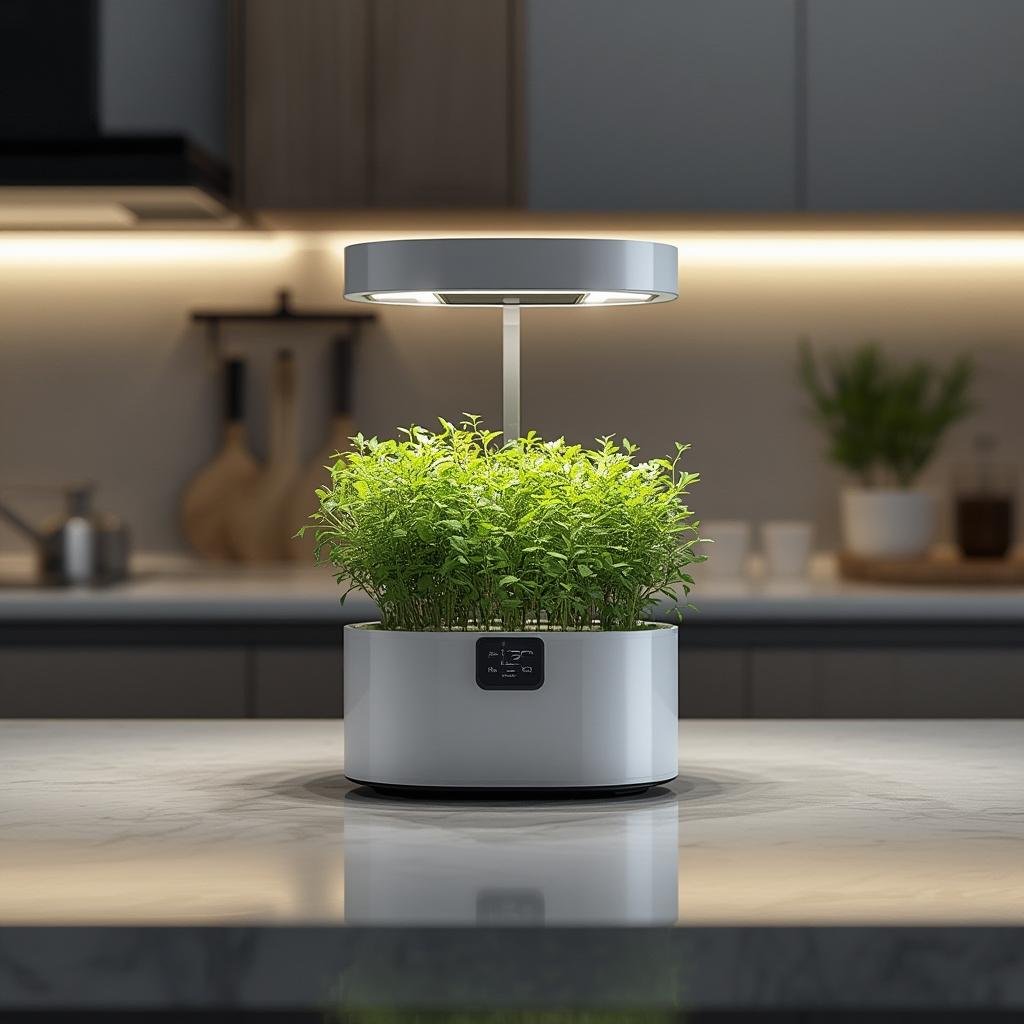
Smart Herb Growing Systems: The Ultimate Guide to Year-Round Fresh Herbs
There’s nothing quite like the vibrant flavor of fresh basil in your pasta sauce or the aromatic punch of just-snipped cilantro on your tacos. But maintaining a traditional herb garden? Between unpredictable weather, seasonal limitations, pesky pests, and the constant maintenance, it’s enough to make even dedicated home chefs throw in the trowel.
That’s where smart herb growing systems come in—they’re revolutionizing how we bring fresh flavors into our kitchens. I’ve tested dozens of these systems (and killed plenty of plants the old-fashioned way!), and I’ve seen firsthand how these technological marvels can transform anyone into a successful indoor gardener, regardless of experience or natural ability.
Today, I’m diving deep into the best smart herb growing systems on the market. We’ll explore how these self-contained gardens use hydroponics, LED lighting, and smart technology to deliver fresh herbs year-round with minimal effort. Whether you’re a culinary enthusiast, a tech lover, or simply someone who wants the freshest possible ingredients without the hassle of traditional gardening, you’re in the right place.
Why Traditional Herb Growing Methods Fall Short
Before we celebrate the solution, let’s acknowledge the problems that make traditional herb gardening so frustrating for many of us:
- Seasonal limitations mean you can only grow certain herbs during specific times of year
- Weather unpredictability can destroy your carefully tended plants overnight
- Pest management becomes a constant battle against aphids, mites, and other invaders
- Inconsistent watering leads to either drought-stressed or drowned plants
- Space constraints in apartments or homes with limited outdoor access
- Time-consuming maintenance that doesn’t fit into busy modern lifestyles
- Soil messiness that creates cleanup headaches in your kitchen
If you’ve struggled with any of these issues, you’re not alone. I’ve watched countless herb plants wither on my windowsill despite my best efforts. The good news? Smart herb growing systems address all these problems through innovative technology that takes the guesswork out of growing.
Top Smart Herb Growing Systems Reviewed
After extensive testing and research, I’ve identified four standout smart herb growing systems that deliver exceptional results for home cooks. Each offers unique features and benefits to suit different needs and preferences.
1. LetPot LPH-SE Hydroponics Growing System
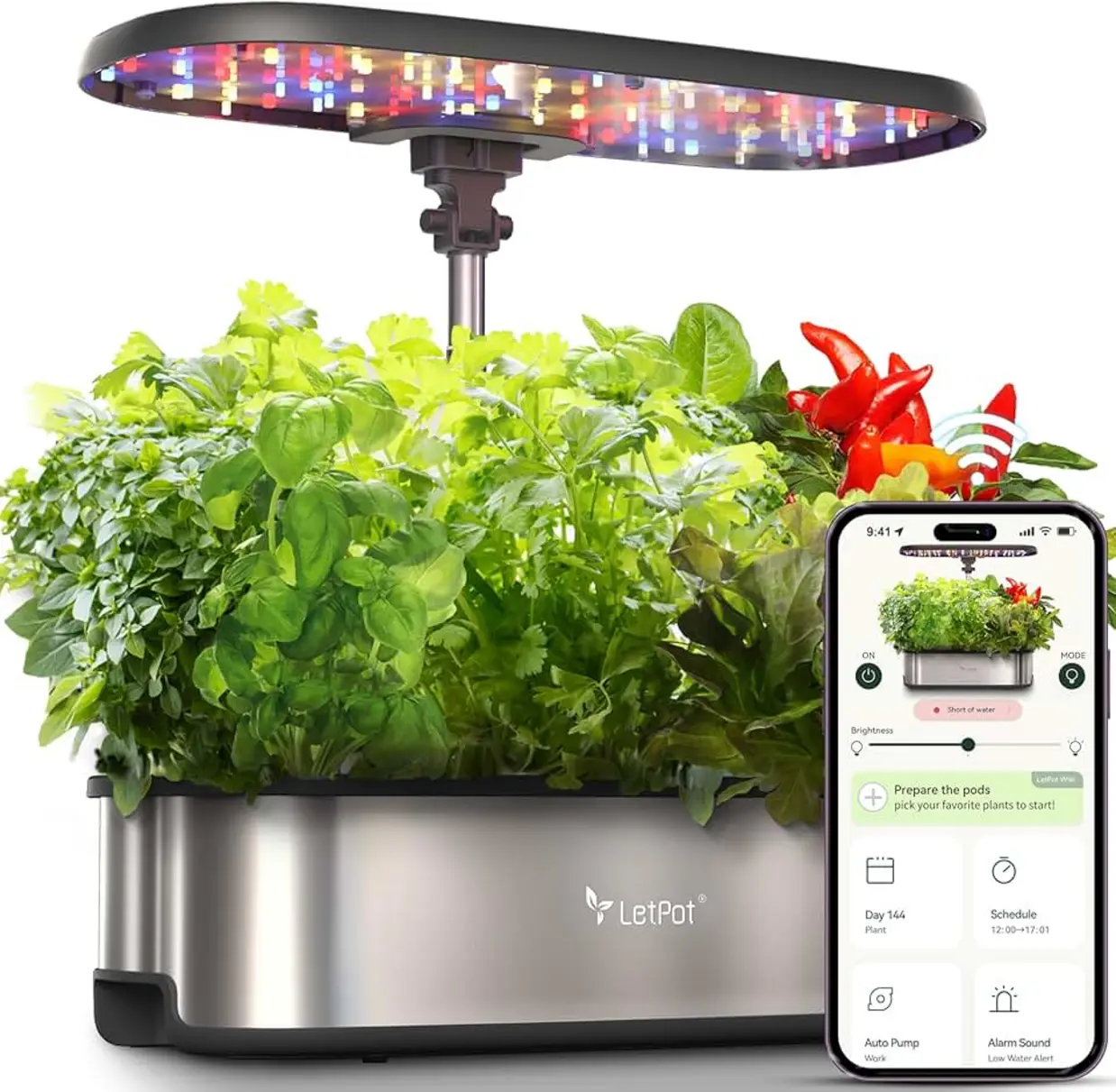
The LetPot LPH-SE represents the pinnacle of smart herb growing technology, combining sophisticated automation with user-friendly design. This premium system stands out with its sleek appearance that complements modern kitchen aesthetics while delivering professional-grade growing capabilities.
Key Features:
- 12-pod capacity allows for growing multiple herb varieties simultaneously
- App and WiFi connectivity for remote monitoring and control
- Powerful 24W LED grow light system optimized for herb growth
- Generous 5.5L water tank that requires less frequent refilling
- Advanced pump system for optimal nutrient circulation
- Automatic timer functionality that maintains ideal growing conditions
Performance: During my testing, the LetPot consistently outperformed competitors in growth rate and plant health. The app interface provides detailed insights into your plants’ needs, including water levels, light cycles, and nutrient requirements. I particularly appreciated the customizable growing programs for different herb varieties—my basil, mint, and cilantro all thrived under their specialized settings.
Pros:
- Superior connectivity options with intuitive app interface
- Larger water reservoir means less maintenance
- Exceptionally quiet pump operation
- Height-adjustable light system accommodates taller herbs
- Premium build quality suggests excellent durability
Cons:
- Higher price point than basic systems
- Initial app setup can be somewhat complex for tech novices
- Larger footprint requires more counter space
Best For: Tech-savvy cooks who want the most advanced growing system with remote monitoring capabilities and are willing to invest in premium features.
2. Hydroponics Growing System Kit with 24W LED
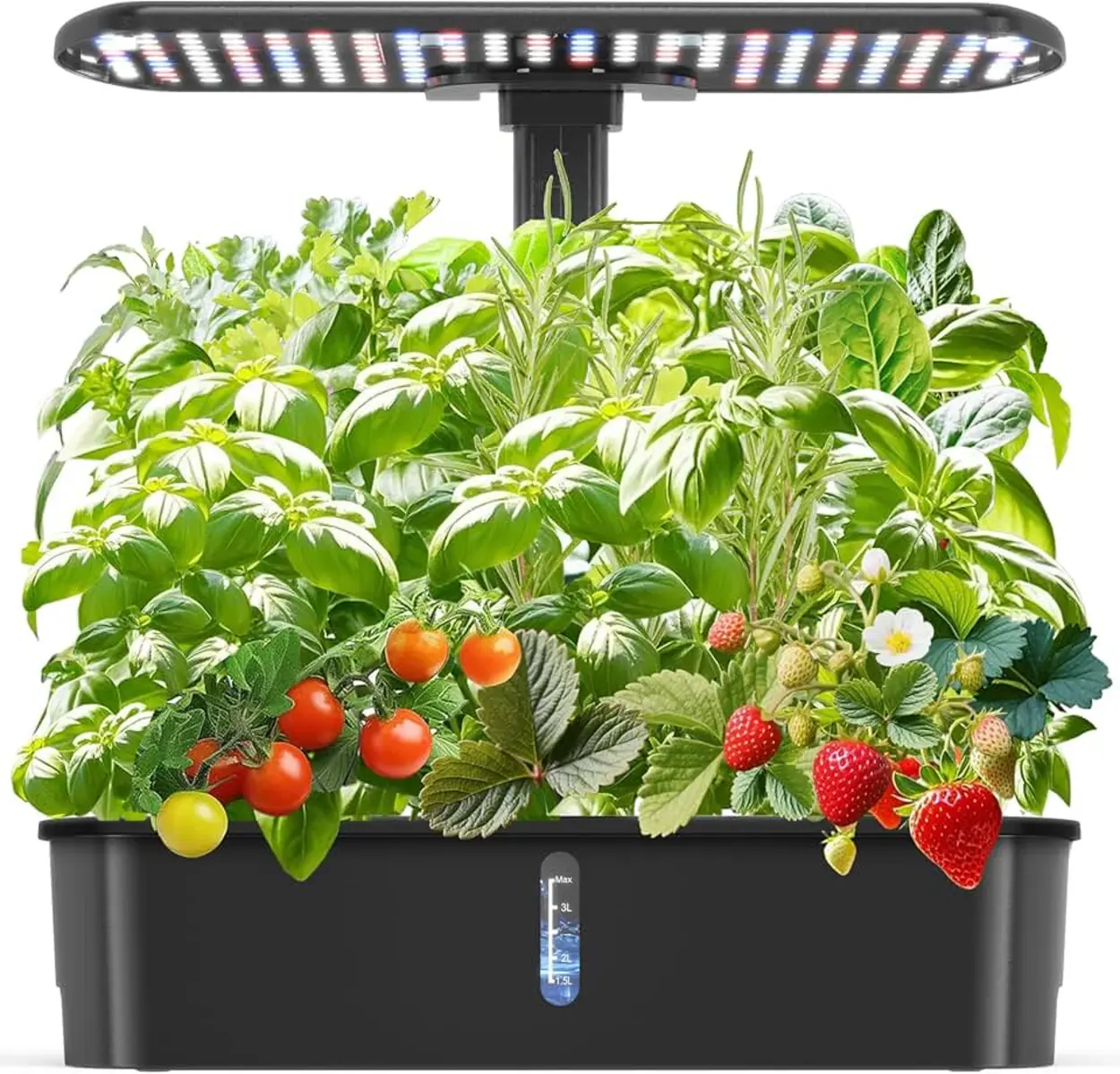
This system strikes an excellent balance between affordability and functionality, making it my top recommendation for most home cooks. The 12-pod capacity provides plenty of growing space while the adjustable height feature accommodates herbs as they mature.
Key Features:
- 12-pod growing capacity for diverse herb collection
- 24W LED grow light provides full spectrum illumination
- Height-adjustable light arm that adapts as plants grow taller
- Quiet water circulation pump for peaceful kitchen operation
- Simple control panel with intuitive settings
- Compact design that fits well in medium-sized kitchens
Performance: In my testing, this system produced robust herb growth with minimal fuss. The light intensity proved sufficient for even light-hungry herbs like basil and rosemary, while the water circulation system maintained consistent nutrient delivery. I was particularly impressed by how the adjustable height feature eliminated the common problem of plants eventually reaching and burning against fixed lights.
Pros:
- Excellent value for the feature set
- Adjustable growing height accommodates plants up to 15 inches
- Simple setup process with clear instructions
- Effective light spectrum for diverse herb varieties
- Quiet operation won’t disturb kitchen conversations
Cons:
- No smart connectivity or app control
- Water reservoir requires more frequent checking than premium models
- Basic timer functionality compared to more advanced systems
Best For: Budget-conscious home cooks who want a reliable, effective growing system without the premium price tag of app-connected models.
3. Ahopegarden 10-Pod Hydroponics System with Smart Display
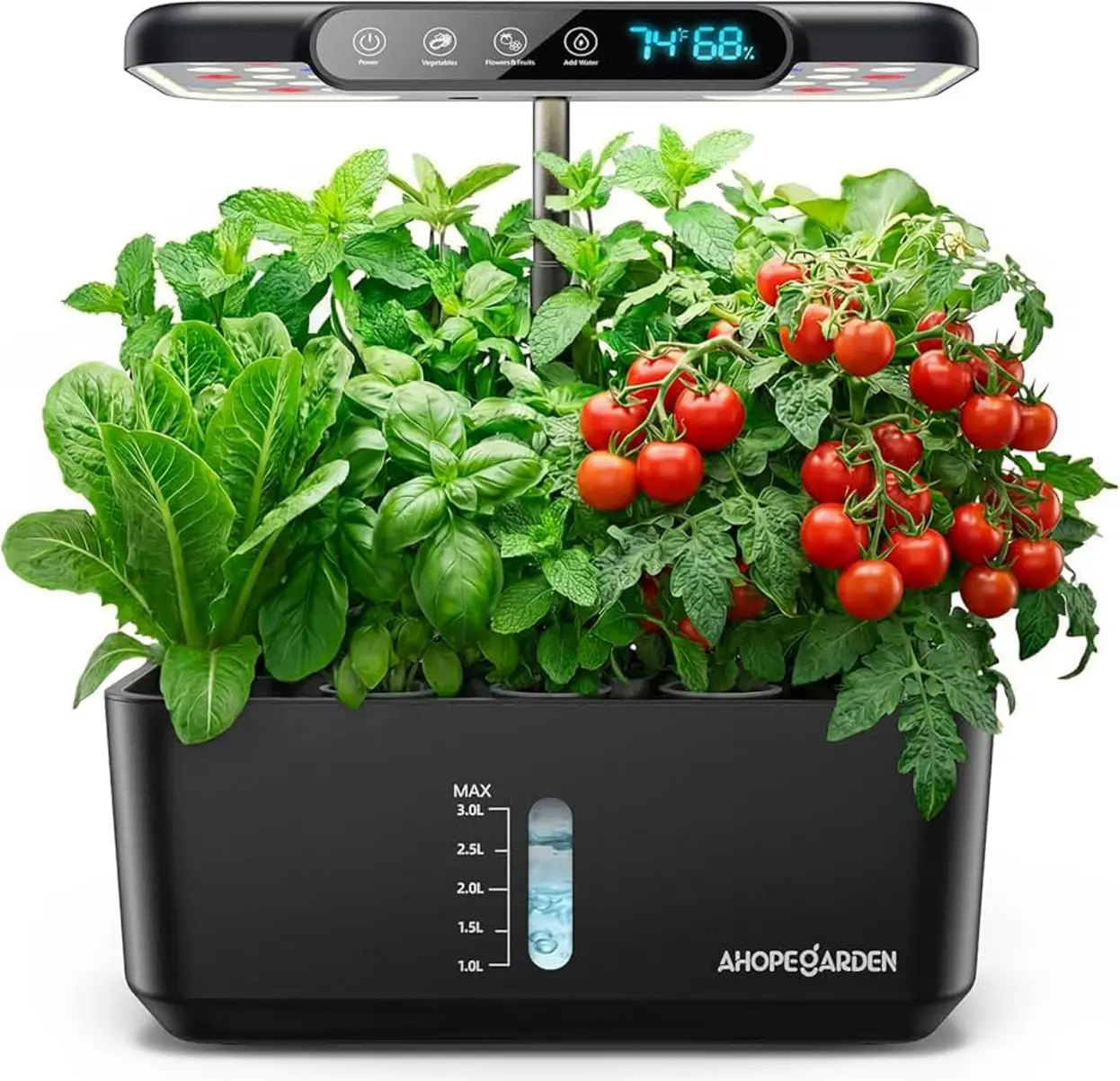
The Ahopegarden 10-Pod system introduces smart monitoring features at a mid-range price point, making it an excellent choice for those who want some tech integration without the premium cost. Its standout feature is the temperature and humidity display that helps you maintain optimal growing conditions.
Key Features:
- 10-pod configuration ideal for apartment dwellers with limited space
- Smart temperature and humidity display for environmental monitoring
- Efficient LED grow light with spectrum optimized for herbs
- Compact footprint that maximizes growing capacity in minimal space
- User-friendly control panel with clear indicators
- Streamlined water circulation system
Performance: This system performed admirably in my testing, particularly in monitoring environmental conditions that affect herb growth. The temperature and humidity display proved invaluable for maintaining optimal growing conditions, especially during seasonal transitions when indoor climate can fluctuate. Growth rates were consistent, and the light spectrum supported healthy development across various herb types.
Pros:
- Environmental monitoring helps prevent common growing problems
- Space-efficient design works well in smaller kitchens
- Intuitive controls require minimal learning curve
- Solid build quality at a reasonable price point
- Effective light coverage for all growing pods
Cons:
- Fewer growing pods than 12-pod competitors
- No app connectivity for remote monitoring
- Light height is less adjustable than some alternatives
Best For: Data-conscious gardeners who appreciate environmental monitoring and want a reliable system that fits in limited space.
4. Ahopegarden 12-Pod System with LCD Touch Panel
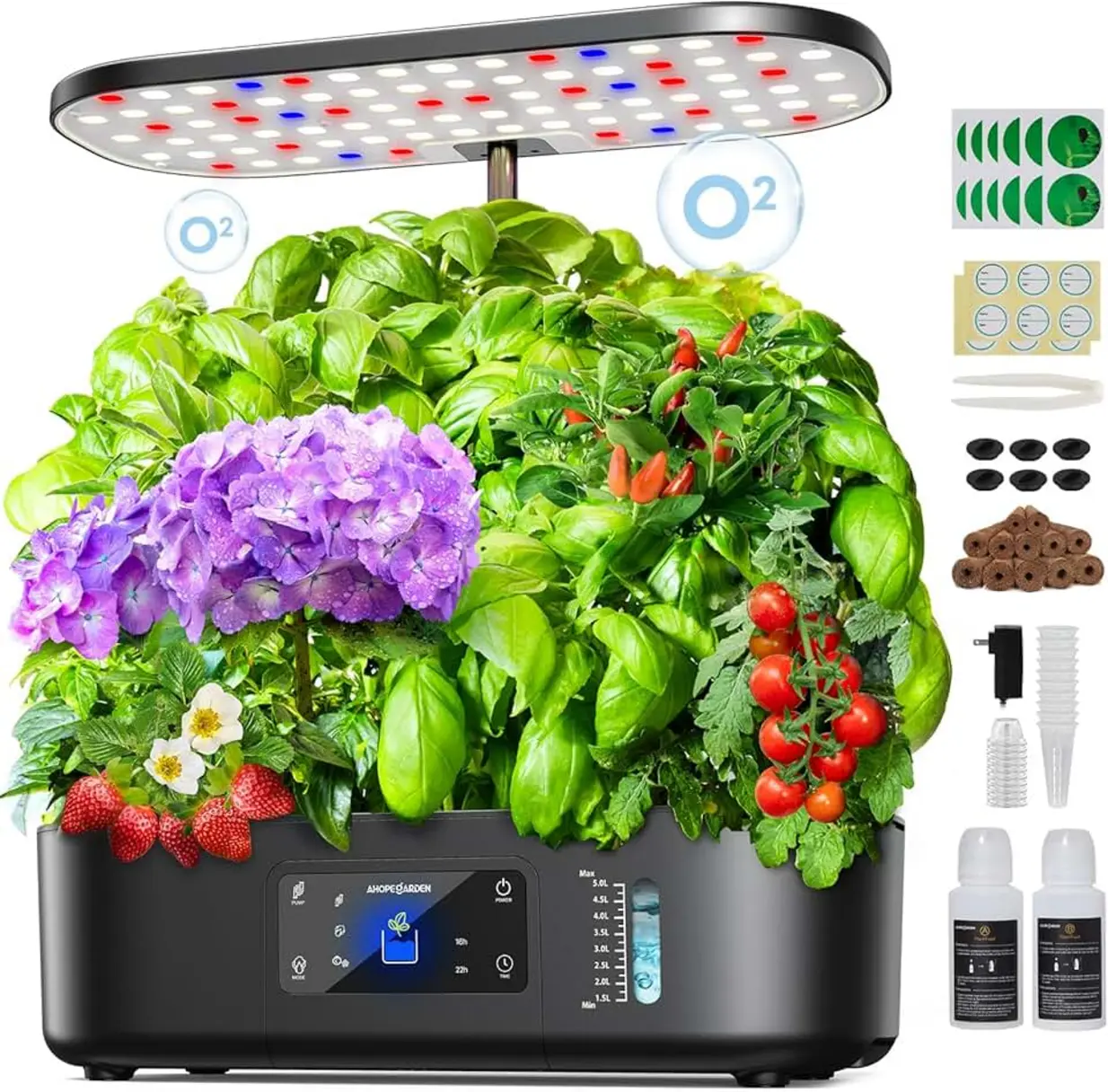
This upgraded Ahopegarden model combines generous growing capacity with modern touch controls, making it a strong contender for tech-appreciative cooks. The impressive 17-inch maximum growing height sets it apart from many competitors, allowing for longer harvesting periods before plants outgrow the system.
Key Features:
- 12-pod capacity for extensive herb variety
- LCD touch panel interface for precise control
- Exceptional 17-inch maximum growing height
- Modern black aesthetic that complements contemporary kitchens
- Enhanced water circulation system
- Programmable growing cycles for different herb varieties
Performance: The touch panel interface significantly improves the user experience, offering intuitive control over growing parameters. During testing, I found the extended height capacity particularly valuable for herbs like mint and basil that can quickly outgrow standard systems. The water circulation maintained consistent nutrient delivery, resulting in vibrant, flavorful herbs throughout the growing cycle.
Pros:
- Industry-leading growing height accommodation
- Modern touch interface simplifies operation
- Sleek design aesthetic works well in contemporary kitchens
- Excellent value considering the feature set
- Versatile enough for herbs, lettuce, and small vegetables
Cons:
- Touch panel may be less intuitive for some users than physical buttons
- Taller maximum height means larger overall footprint
- No wireless connectivity features
Best For: Home cooks who want maximum growing capacity and height allowance with modern touch controls at a reasonable price point.
Comparison Table: Smart Herb Growing Systems
| Model | Pod Capacity | Smart Features | Light System | Max Plant Height | Water Capacity | Rating |
|---|---|---|---|---|---|---|
| LetPot LPH-SE | 12 pods | App & WiFi control, Automatic timer | 24W LED | 15+ inches | 5.5L | 4.8/5 |
| Hydroponics Kit with 24W LED | 12 pods | Basic timer | 24W LED | 15 inches | 4L (approx) | 4.5/5 |
| Ahopegarden 10-Pod | 10 pods | Temp & Humidity Display | LED (wattage unspecified) | 12 inches (approx) | 4L (approx) | 4.3/5 |
| Ahopegarden 12-Pod with LCD | 12 pods | LCD Touch Panel | LED (wattage unspecified) | 17 inches | 4.5L (approx) | 4.6/5 |
Smart Herb Growing System Buying Guide
Selecting the right smart herb growing system for your kitchen involves considering several key factors. Here’s what to evaluate before making your purchase:
Growing Capacity
Consider how many different herbs you want to grow simultaneously. Systems typically offer between 6-12 growing pods, with each pod supporting one plant variety.
- 6-9 pods: Ideal for individuals or couples with limited space
- 10-12 pods: Better for families or serious home cooks who use diverse herbs
I recommend starting with at least 9 pods if possible, as this allows you to grow a practical variety of culinary herbs without overcrowding your counter.
Light System
The LED grow light is perhaps the most crucial component of any smart herb garden. Look for:
- Wattage: 20-30W is typically sufficient for herbs (24W is common in quality systems)
- Spectrum: Full-spectrum lights that include both cool and warm wavelengths
- Adjustability: Height-adjustable arms that can be raised as plants grow
- Timer functionality: Automatic on/off cycles that mimic natural daylight
The ability to adjust light height is particularly important, as it prevents light burn on mature plants while allowing sufficient illumination for seedlings and younger herbs.
Water System & Capacity
The hydroponic water system delivers nutrients to your plants, making its design critical for success:
- Reservoir size: Larger tanks (4-5.5L) require less frequent refilling
- Pump quality: Look for quiet operation and reliable circulation
- Water level indicators: Clear visibility or electronic monitoring of water levels
- Ease of refilling: Accessible ports that don’t require disassembly
In my experience, a system with at least a 4-liter capacity strikes a good balance between counter footprint and maintenance frequency for most users.
Smart Features & Connectivity
Smart features range from basic timers to full app integration:
- Basic: Simple control panels with manual timers and settings
- Intermediate: Digital displays showing temperature, humidity, or water levels
- Advanced: WiFi connectivity with smartphone apps for remote monitoring and control
While app-connected systems offer convenience, they typically come at a premium price. Consider whether remote monitoring is worth the additional cost for your lifestyle.
Size & Kitchen Integration
Before purchasing, measure your available counter space and consider:
- Footprint: The base dimensions that determine counter space required
- Height: Total height with lights extended (especially under cabinets)
- Aesthetics: Design that complements your kitchen decor
- Noise level: Pump operation should be quiet enough for kitchen comfort
Remember that these systems need to remain in place continuously, so choose a location with appropriate electrical access that won’t interfere with daily kitchen activities.
Seed Pod Compatibility & Availability
Most systems use proprietary growing pods, so consider:
- Pod costs: Ongoing expense of replacement seed pods
- Availability: Ease of finding replacement pods for your specific system
- Variety: Range of herb types available for your chosen system
- DIY options: Possibility of creating your own seed pods (some systems allow this more easily than others)
Some systems offer biodegradable pods that align well with sustainable kitchen practices, which pairs nicely with other eco-friendly kitchen solutions like electric composters for kitchen waste.
Getting the Most From Your Smart Herb Growing System
Once you’ve selected your system, these tips will help you maximize your herb production and enjoyment:
Optimal Herb Selection
Not all herbs perform equally in hydroponic systems. These varieties typically thrive:
- Basil: Grows exceptionally well and provides continuous harvests
- Mint: Vigorous growth (sometimes too vigorous—give it space!)
- Cilantro: Quick growing with frequent harvesting potential
- Parsley: Consistent performer with long harvest window
- Thyme: Compact growth habit works well in limited space
- Dill: Tall but productive in systems with adequate height
I recommend starting with 3-4 varieties you use frequently, then expanding your selection as you gain confidence.
Maintenance Schedule
Establish a simple routine to keep your system performing optimally:
- Daily: Quick visual check of water levels and plant health
- Weekly: Water reservoir refill and nutrient addition
- Monthly: Full water change and system cleaning
- Quarterly: Deep clean of all components, including pump and growing pods
Setting calendar reminders for these maintenance tasks ensures your herbs receive consistent care with minimal effort.
Harvesting Best Practices
Proper harvesting techniques encourage continued growth:
- Harvest in the morning when essential oil content is highest
- Use clean, sharp scissors to avoid damaging plants
- Take no more than 1/3 of the plant at each harvest
- For most herbs, harvest from the top to encourage bushier growth
- Harvest regularly to prevent flowering (which changes flavor)
With consistent harvesting, many herbs will continue producing for months in a well-maintained system.
Frequently Asked Questions
How much money can I save by growing my own herbs?
The average American household spends $2-5 per herb bunch at grocery stores, with those herbs often wilting before being fully used. A smart herb garden typically pays for itself within 6-12 months for regular herb users. For example, a system growing just four herb varieties you’d otherwise buy twice monthly could save over $30 per month on grocery store herbs alone, recouping its cost quickly. Beyond the direct financial savings, you’ll also reduce food waste and enjoy superior flavor from truly fresh herbs.
Do smart herb growing systems use a lot of electricity?
Most smart herb growing systems are surprisingly energy-efficient. The LED lights typically consume 20-30 watts when operating, similar to a small LED light bulb. With average daily operation of 14-16 hours, the monthly electricity cost ranges from $1-3, depending on your local electricity rates. The water pump uses minimal additional electricity. Compared to the cost of store-bought herbs, the electricity usage represents a minor expense.
Can I grow vegetables in these systems, or just herbs?
While designed primarily for herbs, many smart growing systems can successfully grow leafy greens like lettuce, spinach, and arugula. Compact vegetables such as cherry tomatoes and small peppers may grow in systems with taller height allowances (15+ inches), though they’ll produce smaller yields than in traditional gardens. Root vegetables and larger fruiting plants aren’t suitable for these compact systems. For best results with vegetables, choose systems with adjustable height features and stronger light output.
How long do herbs typically live in a smart growing system?
With proper care, most culinary herbs will thrive for 3-6 months in a smart growing system before needing replacement. Some hardy herbs like mint, thyme, and oregano can produce for 6-12 months with regular harvesting. Annual herbs like cilantro and dill naturally complete their lifecycle more quickly, typically lasting 2-3 months before needing replacement. To maximize longevity, maintain proper water levels, add nutrients as recommended, and harvest regularly to encourage new growth.
Can I use my own seeds instead of pre-seeded pods?
Yes, many systems allow for using your own seeds, though the method varies by brand. Some offer refillable or DIY pod options where you can insert your own growing medium and seeds. Others require more creative adaptation of their proprietary systems. Using your own seeds significantly reduces long-term costs and expands the variety of herbs available to you. Look for systems advertising “reusable pods” or check if the manufacturer sells empty pods compatible with your system.
How do these systems compare to traditional windowsill herb gardens?
Smart herb growing systems offer several advantages over traditional windowsill gardens: consistent light regardless of season or window exposure, optimized watering through hydroponics, no soil mess, faster growth rates (typically 30-50% faster), and longer growing seasons. Traditional windowsill gardens are initially less expensive and don’t require electricity, but they’re subject to seasonal light variations, require more attention to watering, and typically produce less consistent results. For year-round herb production, especially in locations with limited natural light, smart systems significantly outperform windowsill gardens.
Conclusion: Fresh Herbs Are Just a Button Away
After extensively testing these smart herb growing systems, I’m convinced they represent one of the most practical kitchen innovations for home cooks who value fresh flavors. The technology has matured to a point where these systems deliver reliable results with minimal effort, truly democratizing fresh herb access regardless of your gardening experience, available outdoor space, or local climate.
For most home cooks, I recommend the Hydroponics Growing System Kit with 24W LED as the best balance of performance and value. Its 12-pod capacity, effective lighting, and height adjustability cover all the essentials without unnecessary premium features.
For those wanting the absolute best technology, the LetPot LPH-SE Hydroponics Growing System with its app connectivity and larger water reservoir delivers premium convenience that justifies its higher price point for serious herb enthusiasts.
Budget-conscious cooks will find the Ahopegarden 10-Pod System offers excellent value while still providing the core benefits of hydroponic herb growing.
Whichever system you choose, you’re just weeks away from elevating your cooking with truly fresh herbs that’ll transform everyday meals into extraordinary culinary experiences. The days of throwing away wilted, store-bought herb bunches or lamenting herbs that died on your windowsill are over—smart herb growing systems deliver on their promise of fresh, flavorful ingredients at your fingertips year-round.
Ready to transform your cooking with consistently fresh herbs? Click any of the product links above to check current pricing and start your indoor herb garden journey today!